


Dressing as a Statement
- Fashion Goldding
- Feb 1
- 3 min read

When Form Sustains the Image

Amid constant stimuli, choosing what to wear is no longer about novelty. It has become about clarity. Clothing must support the wearer, keep pace with the day, and make sense in real use.
The image no longer seeks immediate impact alone, but continuity. What endures is attention to how garments position themselves on the body — not as ornament, but as a foundation. Dressing becomes an exercise in posture: less explicit assertion, more consistent construction.
Tailoring enters this landscape with a different role. It maintains structure while shedding weight. It adapts to the body, allows for movement, and aligns with real life. Lightweight fabrics and precise draping redefine the silhouette — less rigidity, more continuity.

Color follows this shift. Neutrals remain because they organize and facilitate wear, while lighter tones — lavender, soft blue, beige — enter to ease the reading. They soften the image without compromising structure, making the composition lighter yet equally consistent.
These are choices that relieve visual weight and expand possibilities of wear, integrating naturally into everyday life.
Dressing, in this context, becomes a quiet exercise of intention — less external assertion, more internal construction. An image that works for you.
Perception is not formed at first glance alone. It is built over time, through consistency of image and the way it sustains itself without effort.
Key Pieces of the Look
Impact Layers
The blazer occupies the center of the composition. In soft tones — lavender, light blue, beige, or pastel pink — it structures the image without adding weight. It is the piece that organizes the look and allows for variation, functioning as a quiet foundation for the overall construction.
Lower Layers: Fluidity
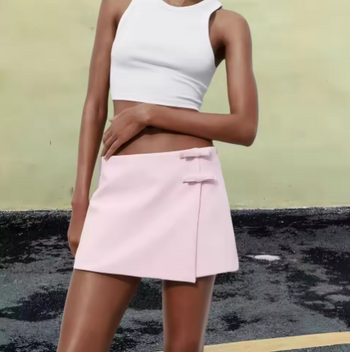
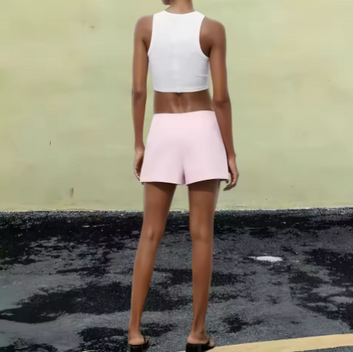
Lightweight dresses and tailored skirts soften the rigidity of the upper half. The silhouette gains movement, and the overall look transitions naturally between professional settings and the urban routine, without losing coherence.




Accessories — The Final Adjustment
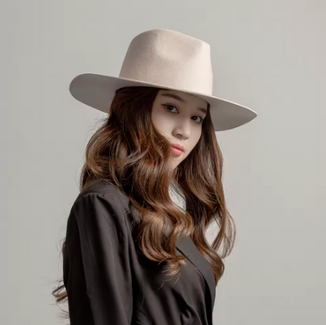
Light-toned elements balance the composition. White hats and caps soften the structure, while discreet jewelry refines the image with precision.








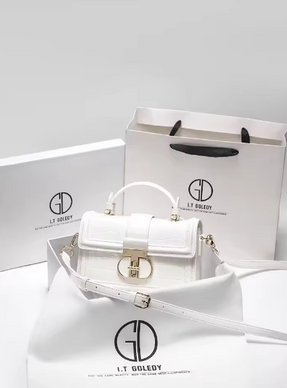
Bags
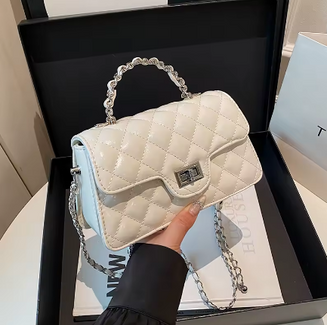
Opt for structured, medium-sized bags that carry the everyday essentials. Firm shapes keep the look aligned, prevent distortion of the silhouette, and transition seamlessly from work to the urban routine.








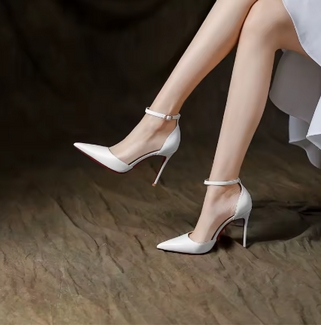
Footwear — The Foundation of the Look
Comfort comes first, with presence in measured proportion. Sneakers, neutral sandals, or well-defined pumps.






Style Notes
Balanced Proportions
Pair a structured blazer with lighter bases — pleated midi skirts or fluid dresses. The contrast between structure and movement keeps the look balanced and easy to wear.
Color as Strategy
Soft tones work best when applied to tailoring. Lavender, light blue, beige, and pastel pink organize the composition without adding weight and allow for effortless pairings with neutral pieces.
Accessories with Purpose
White hats and caps bring freshness. Discreet jewelry refines the look without excess. Structured bags — such as boxy totes or straight-line clutches — preserve the tailored reading of the look.
Classic, Updated
A traditional blazer paired with a metallic skirt, a fluid dress, or sport-profile footwear. Small departures refresh the composition without compromising the coherence of the look.
How to Adapt to Different Body Shapes
Triangular Silhouette
Blazers with light shoulder structure help balance proportions. Lighter tones on the upper body work best, while darker or neutral bases keep the overall look visually aligned.
Inverted Triangle Silhouette
Straight-line blazers, without excessive shoulder padding, are most effective. Fluidity on the lower half — A-line skirts or lightweight dresses — softens the upper body. Monochromatic combinations help elongate and harmonize the silhouette.
Oval Silhouette
Elongated styles worn open create vertical lines that organize the image. Fluid dresses and softly draped skirts add lightness and avoid rigidity in the central area of the body.
Rectangular Silhouette
Belts applied over the blazer or subtly tailored styles help create definition. A-line skirts and dresses with movement balance the structure and soften the overall look.
Hourglass Silhouette
Fitted blazers enhance the body’s natural proportions. Tailored pencil skirts or fluid dresses work well, maintaining a clear waistline without excess.


Comments